The Nature of Luck in Gambling
Luck is often viewed as a mysterious force that can significantly sway outcomes in games of chance. In casinos, luck is perceived as a fundamental element influencing the results of games like slots, roulette, and blackjack, which is why many players seek to enhance their chances with strategies and tools such as love casino online experiences. However, the notion of luck isn’t universally defined, as it may vary from person to person. Some individuals embrace luck as a cosmic energy or a fortunate alignment of circumstances, while others consider it merely a concept reflecting randomness. This subjective understanding of luck shapes how players engage with their gaming experiences and influences their expectations.
The psychology behind luck plays a crucial role in how players approach gambling. For instance, many gamblers carry lucky charms or engage in rituals before playing, believing these practices enhance their chances of winning. This blend of superstition and personal belief demonstrates how luck shapes the gambling experience, providing both motivation and a sense of belief in potential success, even when statistical probabilities suggest otherwise. These rituals not only offer comfort but also create a sense of connection to the game that can be psychologically reassuring.
Despite the subjective nature of luck, it is essential to recognize that at its core, casino games are grounded in probability and mathematics. Each type of game is engineered with a specific house edge, which mathematically assures the casino a certain profit over time. Consequently, while luck may influence short-term results, the long-term outcomes are dictated by these built-in probabilities rather than the whims of fate. Understanding this concept can help players navigate their expectations and help mitigate feelings of frustration or disappointment in their gaming experiences.
The Role of Skill vs. Luck
One of the most debated topics within the realm of gambling is the interplay between skill and luck. In games that rely heavily on chance, such as slots and roulette, the outcomes are predominantly determined by luck. However, in strategic games like poker or blackjack, skill can significantly affect the results. The ability to make informed decisions, read opponents, and manage resources can tip the scales toward a player’s favor, showcasing that skill can sometimes overshadow luck in determining success. This distinction is crucial for players who wish to improve their chances of winning.
For example, in poker, a skilled player can consistently outperform a novice, even if luck is involved in the actual card dealing. Their understanding of probability, psychology, and game theory allows them to employ strategies that minimize losses and maximize gains. This aspect underlines that while luck may be one component, skill can provide a more sustained advantage over time, challenging the notion that luck is the sole determinant of casino outcomes. This balance creates an engaging environment for both casual gamblers and serious competitors.
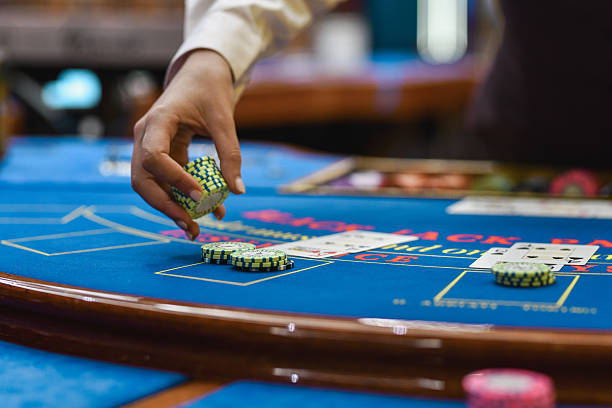
This dynamic between luck and skill creates an engaging environment for players, drawing both casual gamblers and seasoned strategists into the casino fold. The essence of gambling becomes a blend of reliance on chance and the pursuit of mastering skill, making it a multifaceted experience that appeals to a broad audience. By understanding the balance between these two elements, players can approach gambling with a strategy that incorporates their perception of luck and their skills, ultimately enhancing their gameplay and decision-making processes.
The Illusion of Control
The belief in luck can often create an illusion of control over one’s betting outcomes. Many players tend to attribute their wins or losses to factors they can influence, such as their betting strategy or the timing of their bets. This cognitive bias, known as the illusion of control, is prevalent in gambling contexts and can lead players to develop a false sense of confidence about their abilities to predict outcomes based on perceived lucky moments. This perception can skew their understanding of the game and lead to ill-informed decisions.
Moreover, the environment of a casino can further enhance this illusion. The bright lights, engaging sounds, and celebratory atmosphere can lead players to believe they are part of something extraordinary when winning. This euphoria can cloud their judgment, driving them to make impulsive decisions based on what they perceive as lucky streaks. The psychological impact of these experiences can create a cycle where players continuously chase the high of perceived luck, often ignoring the underlying mathematical realities of the games. This can result in behaviors that are not conducive to responsible gambling.
This interplay between belief and behavior emphasizes the importance of self-awareness in gambling. Players need to recognize when their perception of luck may be influencing their decisions irrationally. Acknowledging that luck is random and not controllable can lead to more disciplined gambling habits and better bankroll management, ultimately enhancing the overall gaming experience. Understanding this balance is crucial for anyone looking to navigate the casino landscape successfully, enabling players to enjoy the thrill without losing sight of the game’s inherent risks.
The Impact of Superstitions on Gambling
Superstitions surrounding luck have long been intertwined with gambling culture. Many players develop personal rituals or follow certain beliefs that they think can influence their luck. For instance, some gamblers believe that wearing a specific outfit, using a particular betting sequence, or performing certain gestures can yield positive results. These superstitions can provide comfort and boost confidence, making players feel like they have some control over their outcomes. This psychological aspect can enhance their enjoyment of the gaming experience.
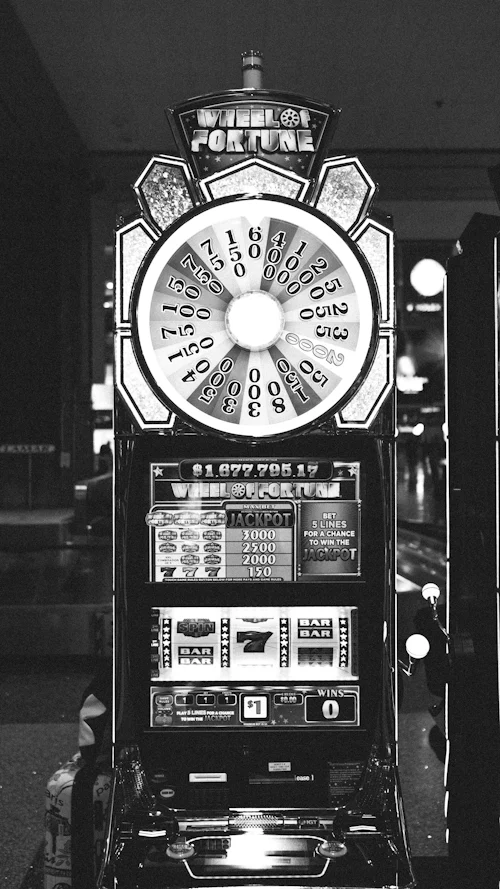
However, while these rituals might enhance the psychological experience of gambling, it is essential to remember that they do not alter the underlying probabilities of the games. For example, a player may believe that sitting at a specific slot machine will bring good luck, but the odds of winning on that machine remain the same regardless of personal superstition. This habitual reliance on luck and rituals can lead to erroneous beliefs about winning streaks and can affect a player’s decision-making processes within the casino. Awareness of this phenomenon is key for responsible gambling.
Interestingly, the prevalence of superstitions in gambling can serve a dual purpose. While they can help to create feelings of luckiness, they can also lead players to make decisions based on emotion rather than logic. Striking a balance between enjoying these personal beliefs and understanding the role of chance in gambling is critical for fostering a healthy gaming experience, ensuring that superstitions do not overshadow the logical aspects of betting strategies. This awareness allows players to engage in their rituals without falling into the trap of believing they have more control than they actually do.
Finding Balance in Gambling Insights
The relationship between luck and casino outcomes is undeniably intricate. Players often navigate this interplay between belief and probability, seeking a balance that enhances their gambling experience. Understanding the role of luck can help gamblers set realistic expectations while allowing them to engage fully in the excitement of gaming. By acknowledging the randomness of games and integrating their strategies, players can cultivate a healthier approach to gambling, focusing on enjoyment rather than merely winning.
Furthermore, many players find that recognizing the limits of luck can lead to more sustainable gambling habits. Implementing sound bankroll management strategies, understanding the rules of the games, and being aware of one’s emotional triggers can foster a more enjoyable experience. This perspective allows gamblers to appreciate the entertainment value of casinos rather than treating them solely as significant financial opportunities. Making informed decisions based on this understanding can lead to more positive outcomes in both gameplay and overall satisfaction.
In conclusion, while luck undoubtedly plays a role in determining casino outcomes, it is one piece in a broader puzzle that also includes skill and psychology. The harmony of these factors creates a rich and complex gambling environment that enhances the allure of casinos while also necessitating a mindful approach from players. Engaging in gambling with awareness allows participants to enjoy the thrill without getting lost in the chase for fortune. Ultimately, the understanding of luck can transform one’s gambling experience into a more fulfilling journey, fostering a better relationship with the game itself.


